
Choosing the Best Home Fence for Your Pet
Finding the right fence for your pet is about more than just marking property lines—it’s about creating a safe, secure, and comfortable environment where your pet can thrive. From energetic dogs that love to run to smaller pets that need tightly enclosed spaces, every animal has unique needs that should guide your decision. Working with an experienced aluminum fencing contractor can simplify the process, helping you balance safety, durability, and style. This guide explores the most important considerations, from understanding your pet’s behavior to evaluating materials, costs, and long-term value, so you can confidently choose the best fence for your home.
Understanding Your Pet’s Unique Needs
Choosing the right fence starts with understanding your pet’s size, activity level, and behavior. Larger dogs, such as Mastiffs or German Shepherds, require taller fences to prevent jumping, while smaller pets need narrow gaps to avoid slipping through. An experienced aluminum fencing contractor can help determine the appropriate height and spacing based on your pet’s physical traits.
Activity level also plays a major role. High-energy pets that spend a lot of time outdoors need sturdy, durable fencing that can withstand repeated impact and movement. Less active pets may only require a simple boundary to keep them from wandering. Observing your pet’s habits—such as jumping, digging, or pacing—can reveal what features are necessary.
Behavioral tendencies matter just as much. Pets that dig may require reinforced bases or underground barriers, while those prone to barking at passersby may benefit from privacy panels. Sensory needs should also be considered, as some pets prefer visibility while others feel calmer with limited external stimuli. By aligning your fence design with your pet’s personality, you create a safer and more enjoyable outdoor environment.
Evaluating Fence Types for Function and Style
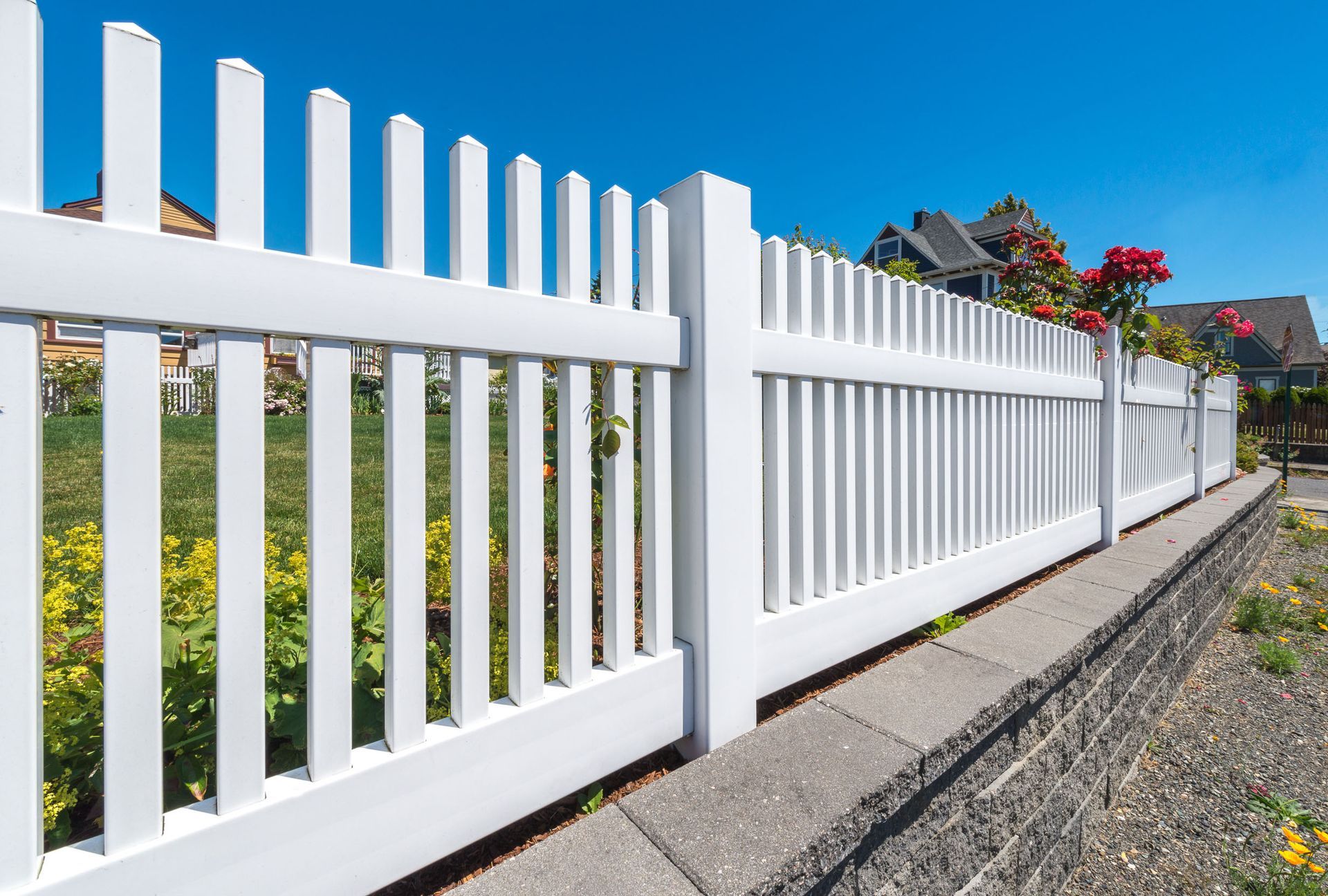
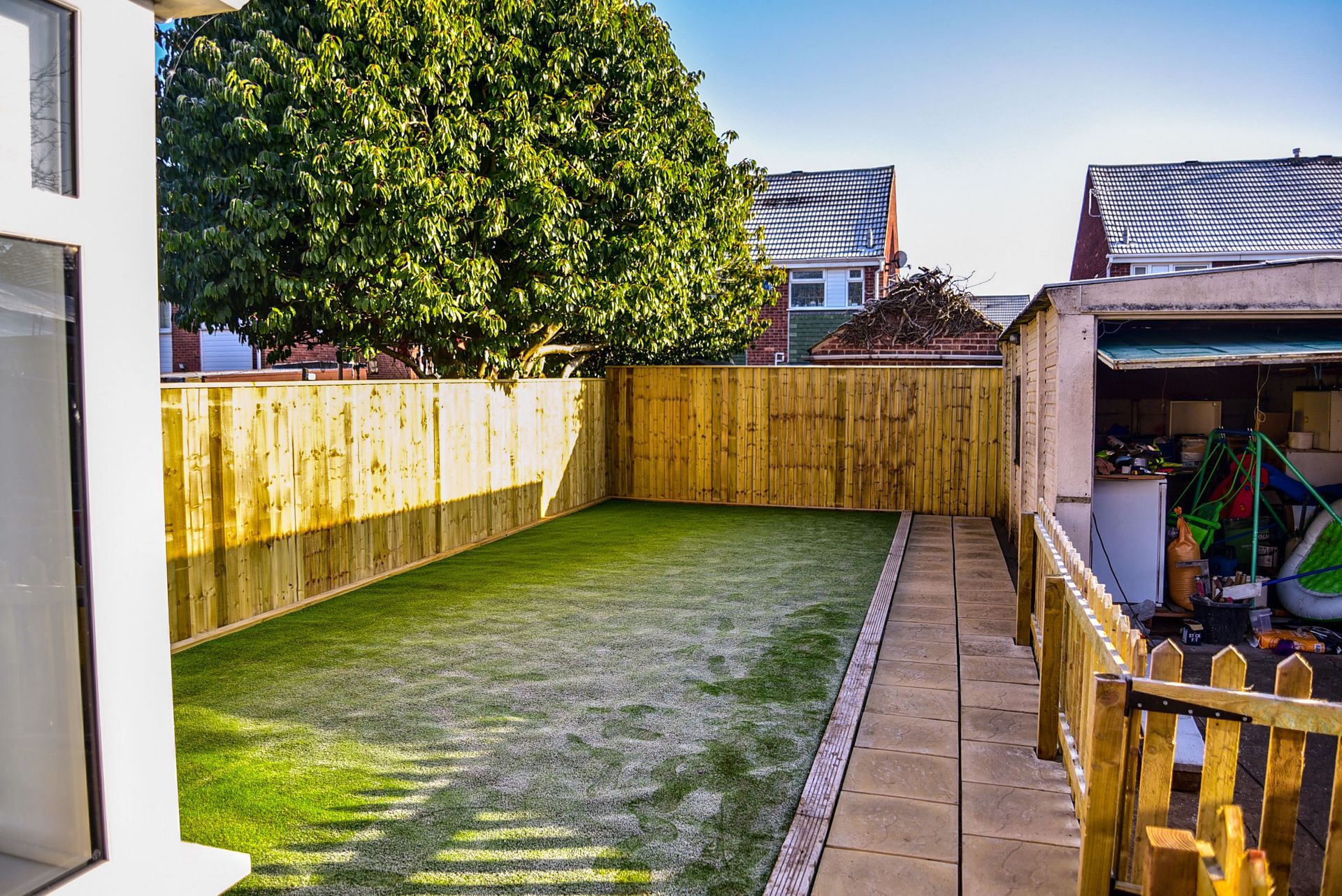
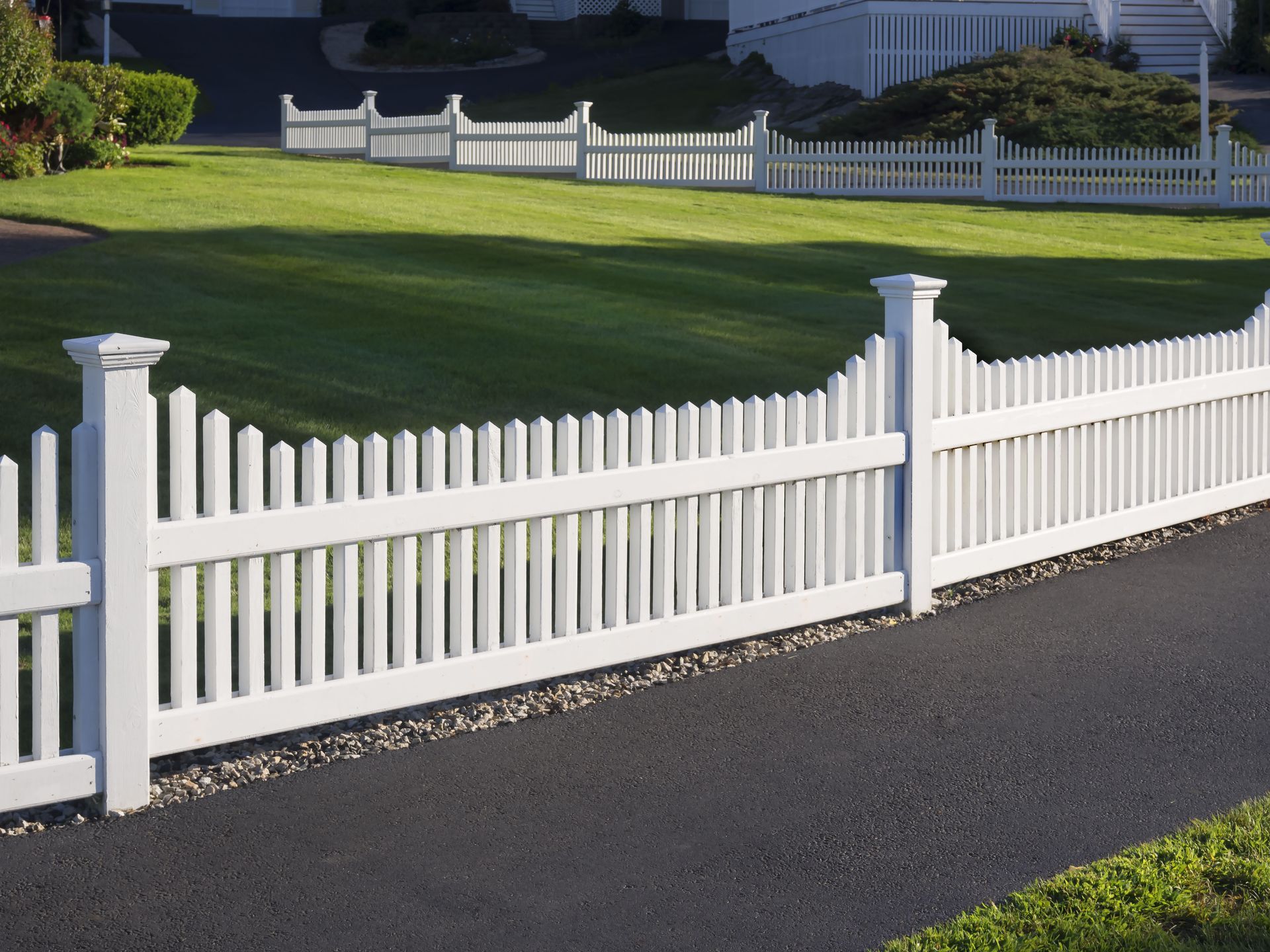
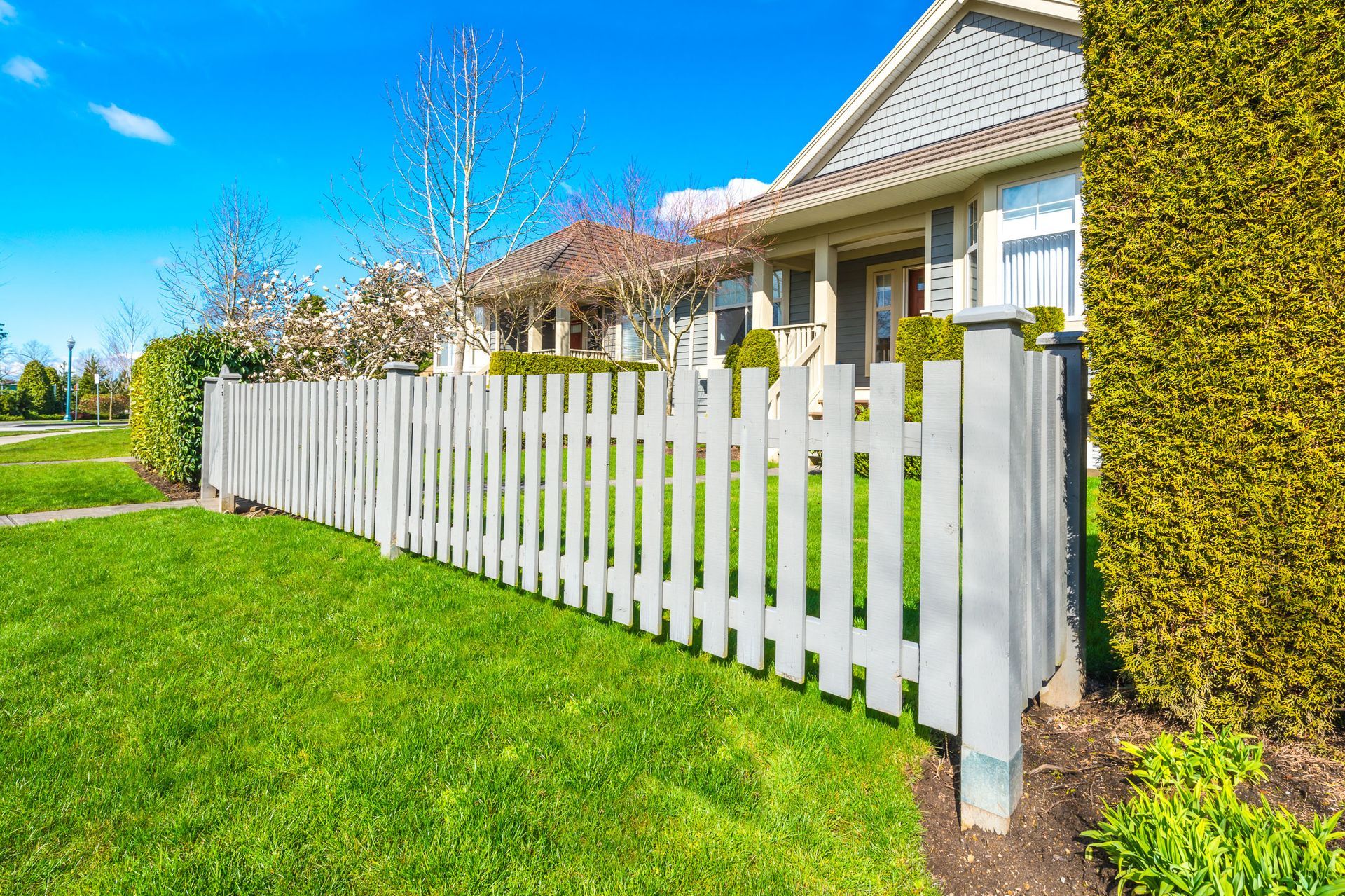
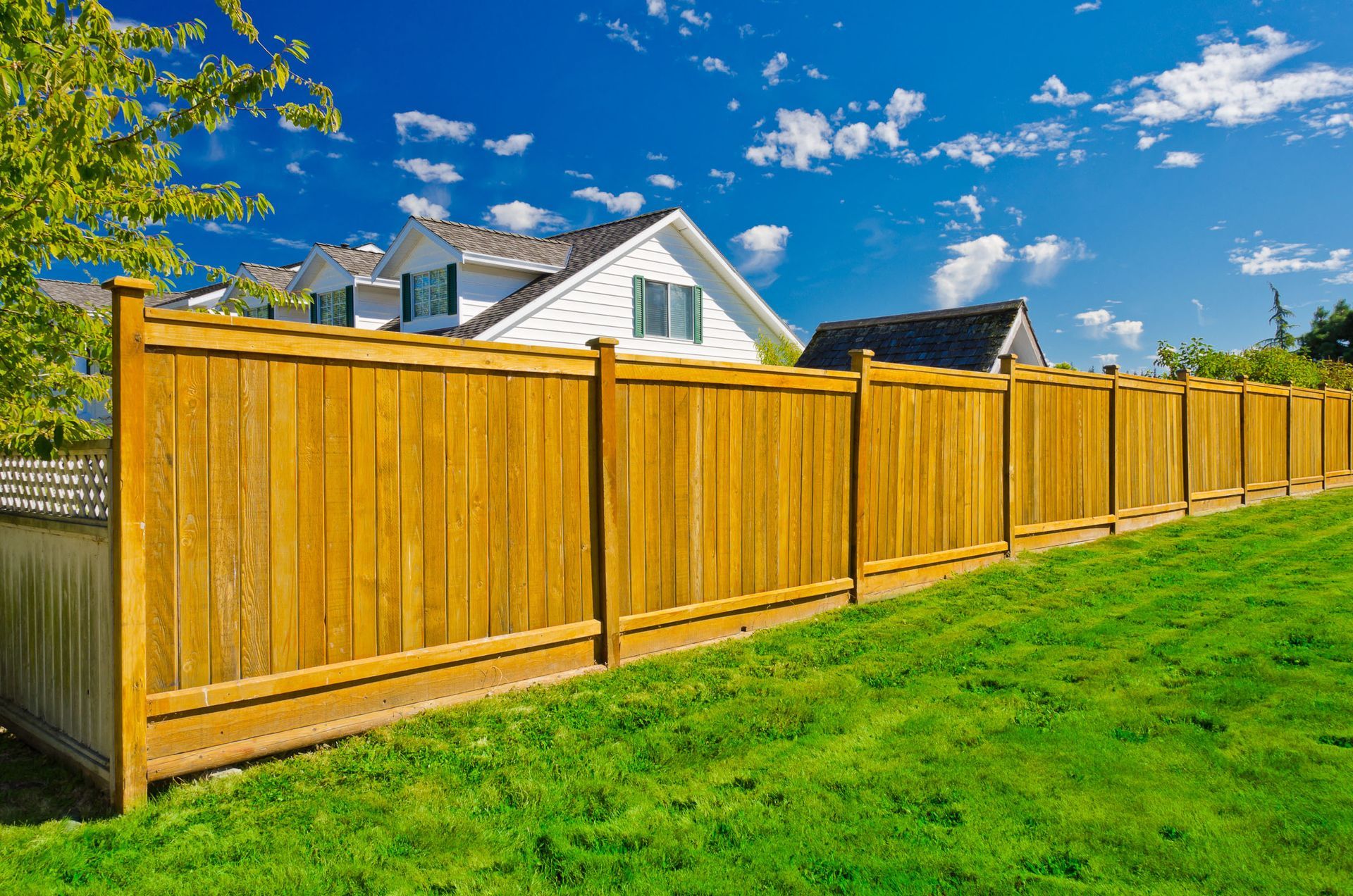
There are several fencing materials to choose from, each with its own advantages and drawbacks. Wood fences offer a classic look and strong privacy, but they require regular maintenance and may not hold up well against chewing or weather over time. Vinyl fencing is a low-maintenance alternative that resists moisture and pests, making it a popular long-term option.
Chain-link fences are one of the most cost-effective choices. While the two to three inch spaces between the wires mean there’s less privacy than a solid fence, they effectively keep pets in and intruders out, according to Bob Vila. Adding slats or landscaping can improve privacy without sacrificing functionality.
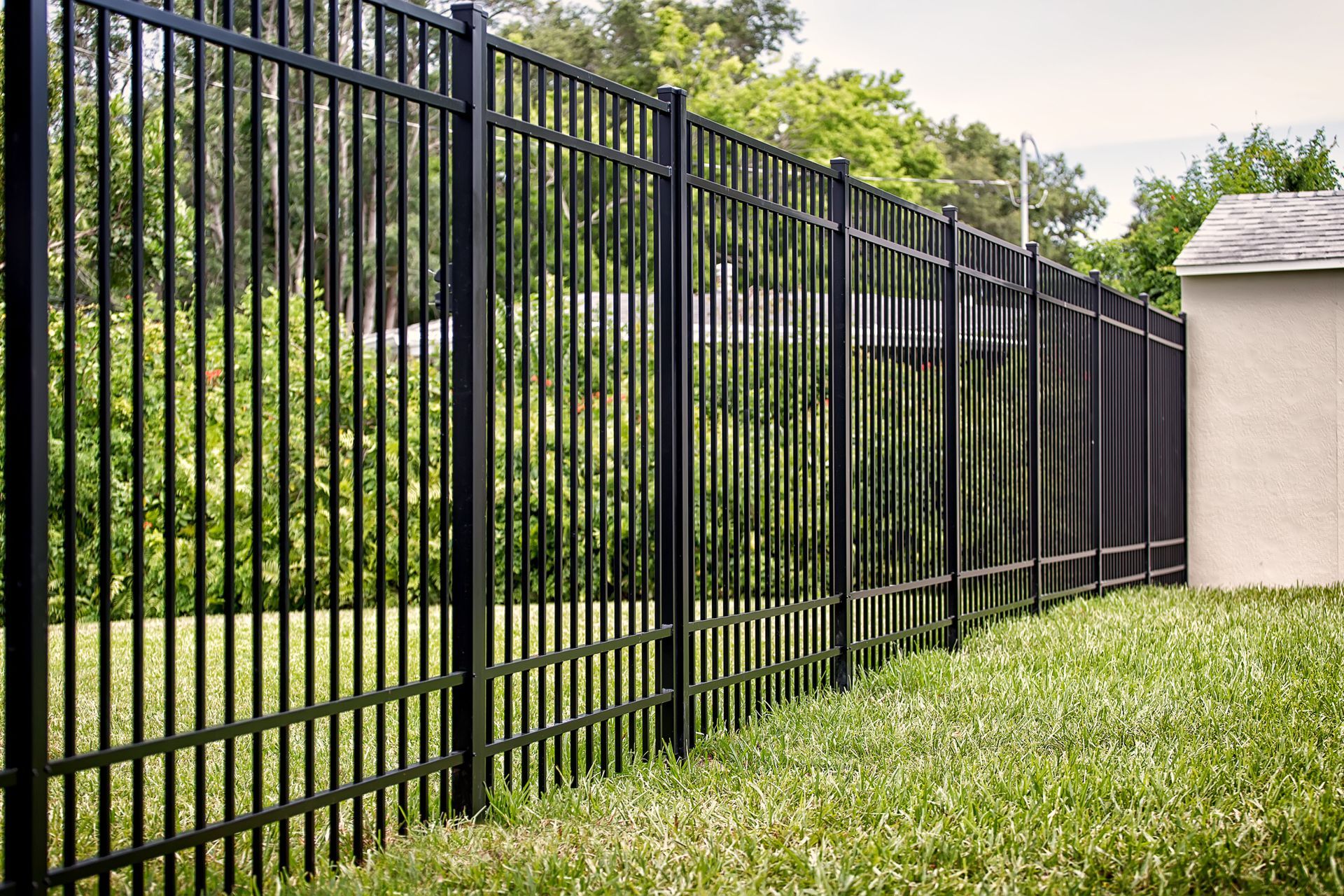
Metal options, especially those installed by an aluminum fencing contractor, provide a balance of strength, elegance, and low maintenance. Aluminum fences are rust- and damage-resistant, making them ideal for long-term use in various climates. They also offer customizable designs that can match your home’s aesthetic while keeping your pet secure.
Other options, such as electric or invisible fences, rely on training and technology rather than physical barriers. While they preserve open views, they may not be suitable for all pets, particularly those sensitive to stimuli or prone to ignoring boundaries. Carefully weighing the pros and cons of each type ensures you choose a fence that meets both functional and visual expectations.
Prioritizing Safety and Security Features
Safety should always be a top priority when selecting a fence. A well-designed fence prevents escapes while also protecting your pet from outside threats. Smooth edges, secure panels, and properly installed gates help reduce the risk of injury, especially for active pets that frequently interact with the fence.
Height is another critical factor. Taller fences are essential for athletic or large breeds, while additional features like angled extensions can deter climbing. An aluminum fencing contractor can recommend designs that enhance safety without compromising appearance.
Gate security is equally important. Locked or self-closing gates add an extra layer of protection, ensuring pets cannot accidentally wander out. Reinforced posts and stable foundations also help maintain the integrity of the fence over time, especially in areas with harsh weather conditions. Ultimately, a secure fence provides peace of mind, allowing your pet to enjoy outdoor space freely while minimizing risks.
Selecting Durable Materials for Long-Term Use
Durability plays a major role in the effectiveness of your fence. Materials must be able to withstand weather, wear, and your pet’s behavior over time. Wood, while attractive, may require frequent sealing and repairs. Vinyl offers better resistance to environmental factors but may have a higher upfront cost.
Metal fencing, particularly aluminum, stands out for its longevity and low maintenance. Choosing an aluminum fencing contractor ensures proper installation and access to high-quality materials designed to resist rust, corrosion, and physical damage. This makes aluminum an excellent option for homeowners looking for a long-lasting solution.
Durable fencing also reduces long-term expenses by minimizing repairs and replacements. Features like rust-resistant coatings, reinforced fasteners, and sturdy construction contribute to a fence that maintains its appearance and performance for years. Investing in strong materials upfront can save both time and money in the long run.
Planning for Budget and Installation Costs
Budget considerations are an essential part of the decision-making process. Initial installation costs can vary widely depending on the material, size of the area, and complexity of the design. While it may be tempting to choose the least expensive option, it’s important to consider long-term value.
Working with an aluminum fencing contractor can provide clarity on pricing, helping you understand the balance between upfront investment and ongoing maintenance. Aluminum fencing, for example, may have a higher initial cost than chain-link but often requires fewer repairs over time.
Maintenance expenses should also be factored into your budget. Wood fences may need regular staining or sealing, while vinyl and aluminum typically require minimal upkeep. Planning for these costs ensures you’re prepared for the full lifespan of your fence.
By taking a comprehensive approach to budgeting, you can select a fence that meets your financial goals without sacrificing quality or safety.
Ensuring Adaptability as Your Pet Grows
Pets’ needs change over time, especially as they grow from puppies or kittens into adults. A fence that works today may not be sufficient in the future if it doesn’t account for growth and changing behaviors. Choosing adaptable solutions can help extend the lifespan of your investment.
Modular designs, adjustable panels, and scalable height options allow you to modify your fence as needed. An aluminum fencing contractor can recommend flexible systems that accommodate these changes without requiring a complete replacement. This approach helps you adapt quickly as your pet’s behavior and physical abilities evolve. It also ensures you maintain a consistent level of safety and security without investing in an entirely new fencing system.
Preventing escapes becomes increasingly important as pets become more confident and physically capable. Reinforced bases, secure latches, and additional barriers can help address new challenges as they arise. Planning for adaptability ensures your fence continues to meet your pet’s needs at every stage of life.
Selecting the best fence for your pet involves careful consideration of their size, behavior, and activity level, as well as the materials, safety features, and costs of different options. From durable metal designs installed by an aluminum fencing contractor to budget-friendly alternatives, the right choice will provide both security and peace of mind. By investing in a fence that prioritizes safety, durability, and adaptability, you create a space where your pet can enjoy the outdoors with confidence. Contact Holman Fence LLC today to get started on a custom fencing solution tailored to your pet’s needs.
Share On: